Obesity in these covid times
I. Overview
In the midst of the unprecedented worldwide lockdown in the year 2020, occasioned by the Covid-19 pandemic, health practitioners around the world were deeply worried. This was not only because of the pandemic but much more as a result of the spiral effects that might arise as a result of the inactivity triggered by the lockdown, on the holistic personal health as well as the public health.
True to their fears, just a few months into the lockdown, social media became laced with comments and complaints of people talking about their newfound, ‘sudden’ weight gain. A lady recounted how she suddenly gained more than 20 pounds (9kg) within few weeks, toggling her Body Mass Index (BMI) and increasing her tendency for obesity.
The focus of this Publication is not only to update health professionals on Obesity but also to arm our readers with necessary skills and counsel needed to confront the potential lifestyle-change induced obesity that is likely to surge in this era where working from home and minimal outside engagement is continually being encouraged.
II. Definition :What is Obesity?
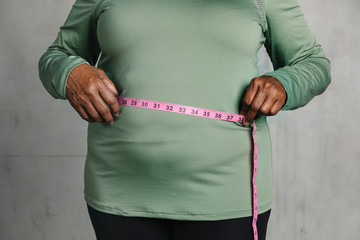
Obesity, also known as Adiposity, is a progressive, life-threatening disease of excessive fat storage. It is a complex disease involving an excessive amount of fat in the body. Beyond the cosmetic view and psychosocial effects, obesity is considered a chronic, metabolic, biomedical, neurobehavioral, adipose tissue dysfunction and multifactorial medical condition, that could trigger or worsen other health conditions in the body if left unchecked.
According to Center for Disease Control (CDC), Obesity has been linked to more than 40 diseases and is the second cause of global major preventable deaths after smoking.
According to world health organization (WHO) report, global obesity has nearly tripled since 1975. In 2016, more than 1.9 billion adults, 18 years and older, were reported to be overweight. Of these, over 650 million were obese. This eyepopping multiplier effect does not spare the children and teens, the same report has it that the prevalence of overweight and obesity among children and adolescents aged 5-19 has risen dramatically from just 4% in 1975 to over 18% in 2016. If no decisive action follows this predictable wave, the best question would be “how far are we from an obesity pandemic?”